

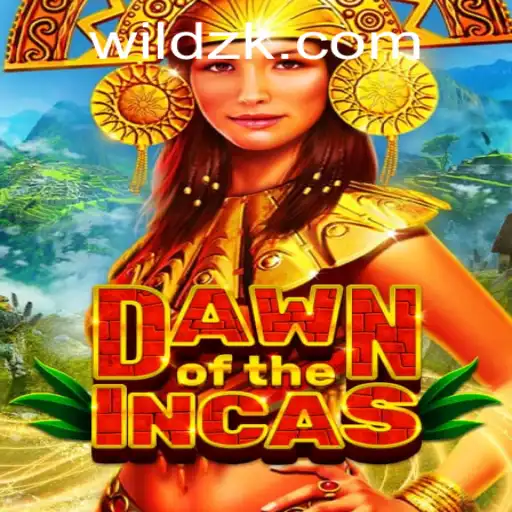
Journey into the World of DawnoftheIncas
DawnoftheIncas, an innovative board game developed by the creative minds at 67com, brings a unique blend of strategy and historical lore to the table. Inspired by the rich history and culture of the Incan Empire, this game offers players an immersive experience as they navigate through a web of alliances, resource management, and territorial expansion. Designed for players of all ages, DawnoftheIncas combines the thrill of strategy gaming with the educational value of learning about an ancient civilization.
The Genesis of the Game
Launched amidst the rising interest in historical board games, DawnoftheIncas taps into the current global enthusiasm for cultural exploration through interactive mediums. The game's creation coincides with a growing trend of gamers seeking more than just entertainment; they yearn for intellectual stimulation and historical education within their gaming experiences. This aligns with the global movement towards integrating educational content into gaming formats, providing an added layer of enrichment.
Introduction to DawnoftheIncas
Set against the backdrop of the Andean mountains, the game invites players to assume the roles of emerging leaders within the Incan civilization. The primary objective is to expand one's influence and resources in order to become the supreme ruler. Players start with a modest tribe and must employ strategic planning to outmaneuver rivals, form alliances, and gain control over vast territories. The game pieces, crafted with intricate designs reminiscent of Incan artifacts, enhance the experience by adding an element of authenticity.
Game Rules and Mechanics
Setup and Objectives
The game begins with each player selecting a tribe, represented by distinct tokens identifying different cultural aspects of the Incan Empire. The game board, a map modeled after the geographical landscape of the Andes, is central to the gameplay. The primary objective is to amass wealth, expand territory, and increase political power through a series of strategic moves and decisions.
Rounds and Turns
DawnoftheIncas unfolds over several rounds, each consisting of multiple turns where players can choose from various actions: move, trade, build, or negotiate. Each decision impacts subsequent rounds, requiring players to anticipate opponents' strategies and plan accordingly. This dynamic ensures that no two games are alike, fostering a replayability factor that is crucial in strategy gaming.
Resource Management
Effective resource management is pivotal within DawnoftheIncas. Players must balance the acquisition and utilization of resources, such as food, precious metals, and manpower, to maintain and grow their tribes. Scarcity and surplus of resources also play roles in strategic negotiations and alliances, adding layers of complexity to the gameplay.
Alliance Formation and Strategy
Alliances are key to advancing in DawnoftheIncas. Forming strategic partnerships can provide mutual benefits, yet players must be wary of betrayals and shifting alliances. This aspect of the game mirrors real-world politics and diplomacy, requiring players to read opponents’ intentions and react swiftly to changing scenarios.
Educational Element and Historical Context
One of the standout features of DawnoftheIncas is its educational component. By incorporating historical facts and elements into the gameplay, players gain insights into the lifestyle, culture, and governance of the Incan civilization. This educational aspect is not only engaging but also informative, making it an excellent learning tool alongside an entertaining game.
Current Events and Game Relevance
The release of DawnoftheIncas aligns with an increasing global focus on preserving indigenous cultures and heritages. Recent events have highlighted the importance of understanding and appreciating diverse cultural histories, making this game both timely and relevant. As conversations around cultural preservation and historical awareness gain momentum in educational and social realms, DawnoftheIncas provides a channel through which these discussions can reach broader audiences.
Furthermore, the game arrives at a time when digital fatigue is prevalent, presenting a tangible, interactive alternative to digital screens. It captures a desire for social interaction through shared experiences, offering a platform for friends and families to connect over a common goal.